
KLEST is a design, research and systems design practice.
KLEST is a design research and systems design practice that works at the intersection of
Organisational intelligence,
capability architecture, &
systems
co-design
With enterprises and academic institutions
navigating consequential change.
Our Story
KLEST began at the convergence of two questions, one about ecosystems, one about who gets heard within them. Sustainability without inclusivity becomes rigid. Inclusivity without structure becomes diffuse. What endures are systems that integrate both.

Approach
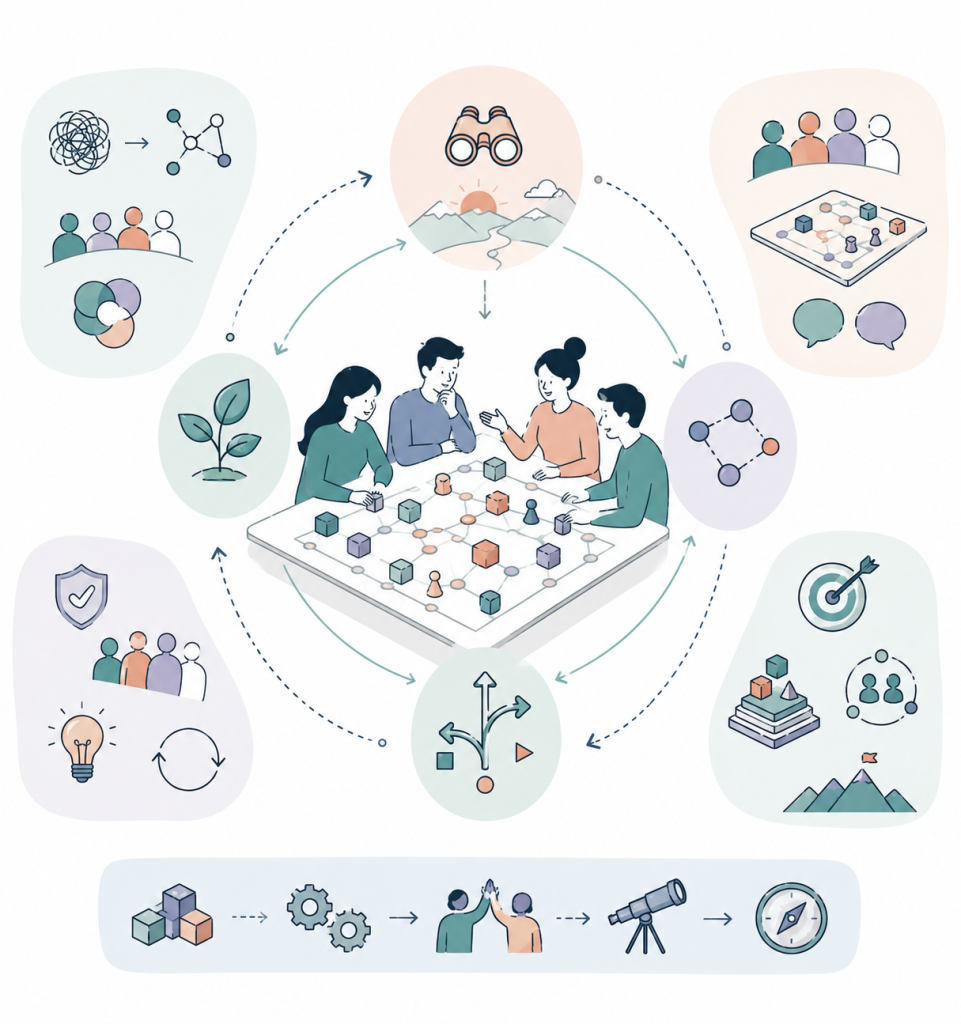
KLEST treats organisations as living systems under pressure. Strength under pressure comes from how a system distributes risk and how quickly capability compounds once it exists.
Intelligence Network
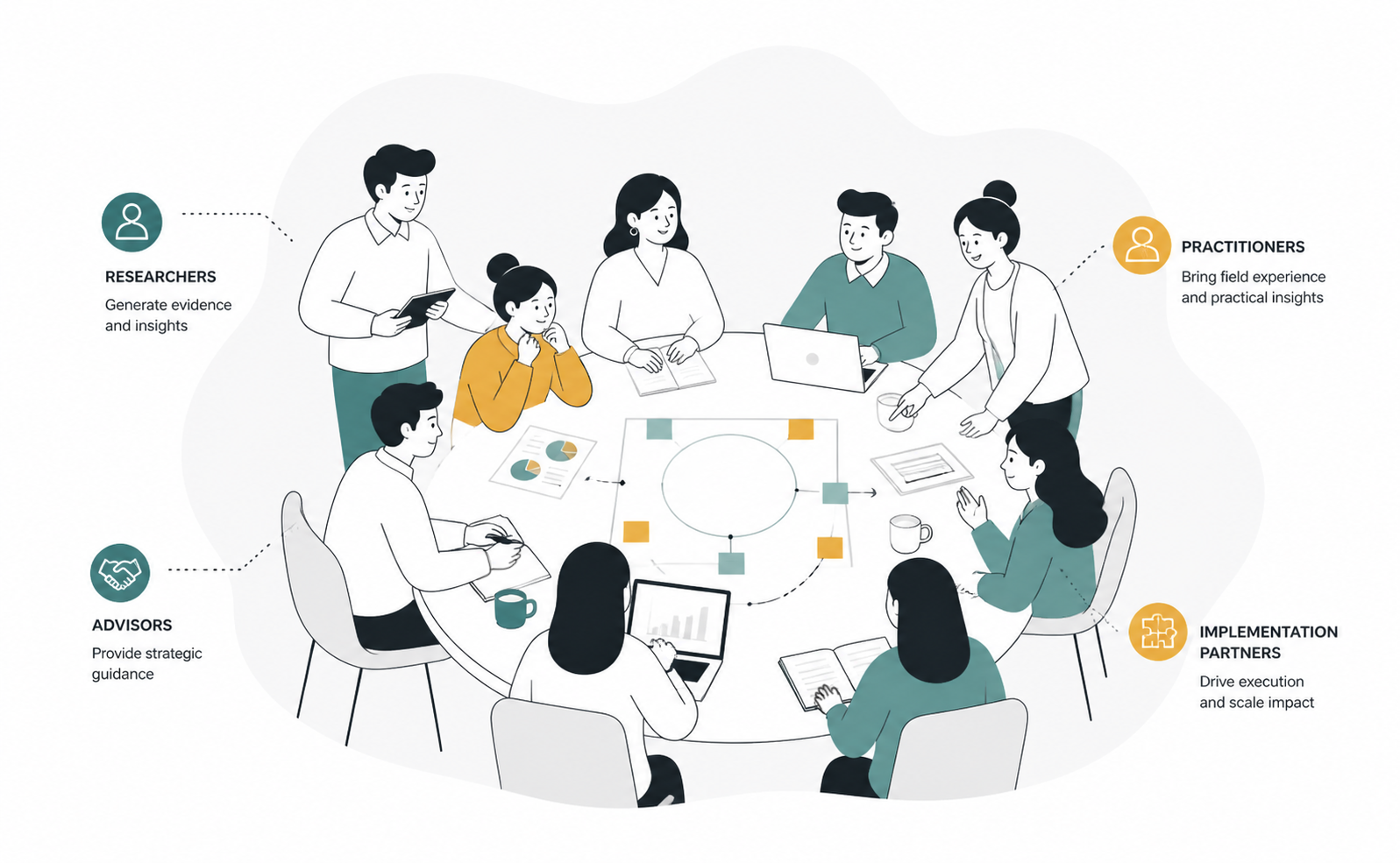
KLEST runs as a distributed lab. The network expands and contracts with each engagement, drawing on advisors, domain specialists, research collaborators, and implementation partners as the work requires.
Approach
Every organisation KLEST works with is dealing with the same underlying condition: change is outrunning the systems built to manage it. Technology accelerates faster than governance can adjust to it. Expertise goes out of date faster than curricula get rewritten. Decisions get made faster than most institutions can absorb them.
Under those conditions, an organisation’s strength depends less on what it decides and more on how it is built to decide: how it distributes risk, how it integrates different kinds of intelligence, human and artificial, and how quickly capability compounds once it exists.
How we work
A business navigating market disruption and a business navigating a leadership transition are carrying different pressures. The method holds for both.
Research and strategy comes first.
We map how decisions We map how decisions actually get made inside your organisation, which is rarely the same as how the org chart or the strategy deck says they get made.
Design follows from what that research finds.
We build the structure, governance model, or capability system around what your organisation already has and what it can actually run, not what looks impressive in a proposal.
We co-design it with the people who will use it.
A governance structure shaped without the managers who operate it gets worked around within a year. A strategy handed down without the team who executes it gets nodded at in the meeting and ignored after. Building it with them means it already belongs to them by the time it launches.
We embed to run the first live quarter.
A strategy on paper tells you nothing about how it holds under real market pressure, so we stay inside the organisation while it runs, and rebuild against what actually happens.
Then we train the people who will own it.
We stay until they can run the system, adjust it under pressure, and hand it to whoever leads the team next.
An engagement ends when the capability we built is running under your own leadership's name.
A business navigating market disruption and a business navigating a leadership transition are carrying different pressures. The method holds for both: understand how decisions actually get made before touching them, build it with the people who live inside it, stay long enough to make sure it survives your absence.